
River Thames History at a glance
River Thames history includes the way London has managed water and waste. In the summer of 1858 heat and low water intensified the smell from waste and sewage. Joseph Bazalgette’s sewer network was the engineering response. More recently, Tideway reported in February 2025 that its new 25 km wastewater tunnel was fully connected. These projects show how the river and the city have shaped one another over time.
River history visits
Take a guided sightseeing cruise or see the illuminated river installation. In Greenwich, the Painted Hall visit includes an audio guide.
Hand-picked tours, booked through GetYourGuide and Viator. Prices are indicative starting prices in British pounds (as of October 2026). Tap a tour for live availability and the current price in your currency.
Illuminated River guided cruise
- Live commentary
- Wheelchair-accessible boarding
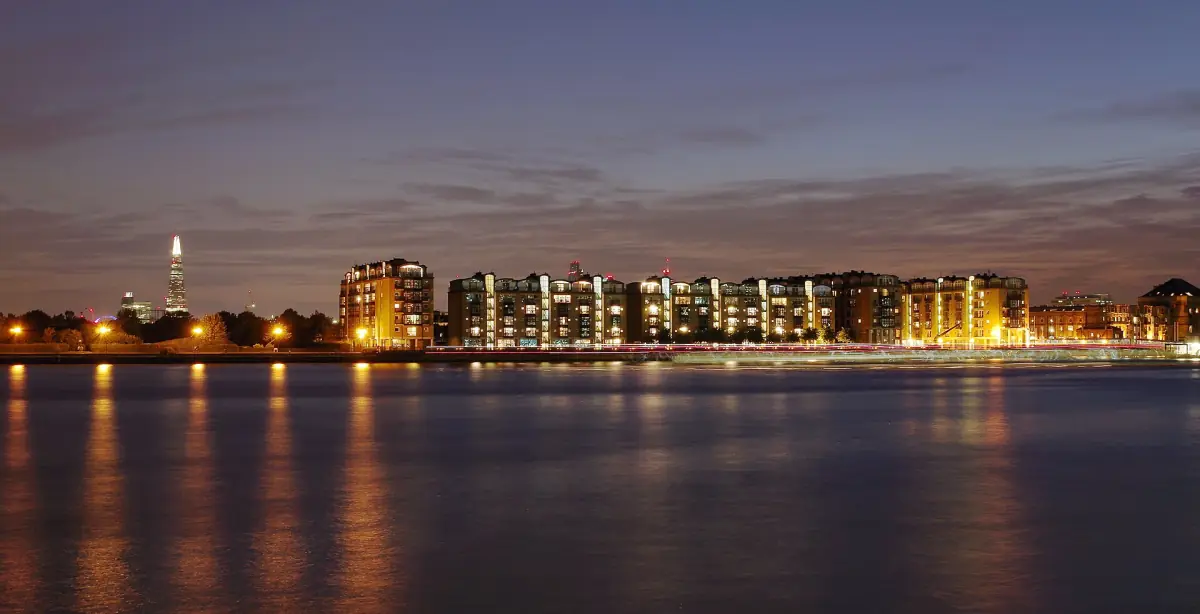
A guided boat trip to view the Illuminated River installation.
Check availability →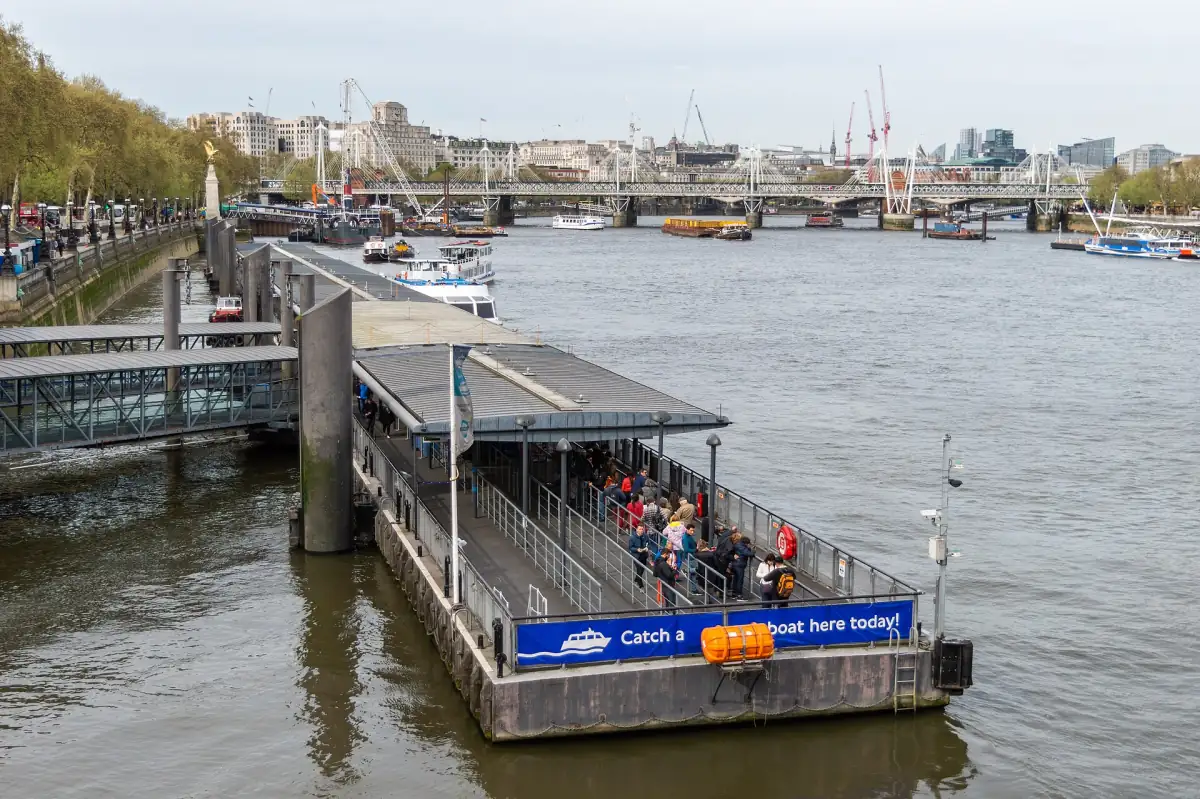
Guided Thames sightseeing
- Live commentary in English
- Guaranteed seat
A reserved seat and English commentary on a river sightseeing trip.
Check availability →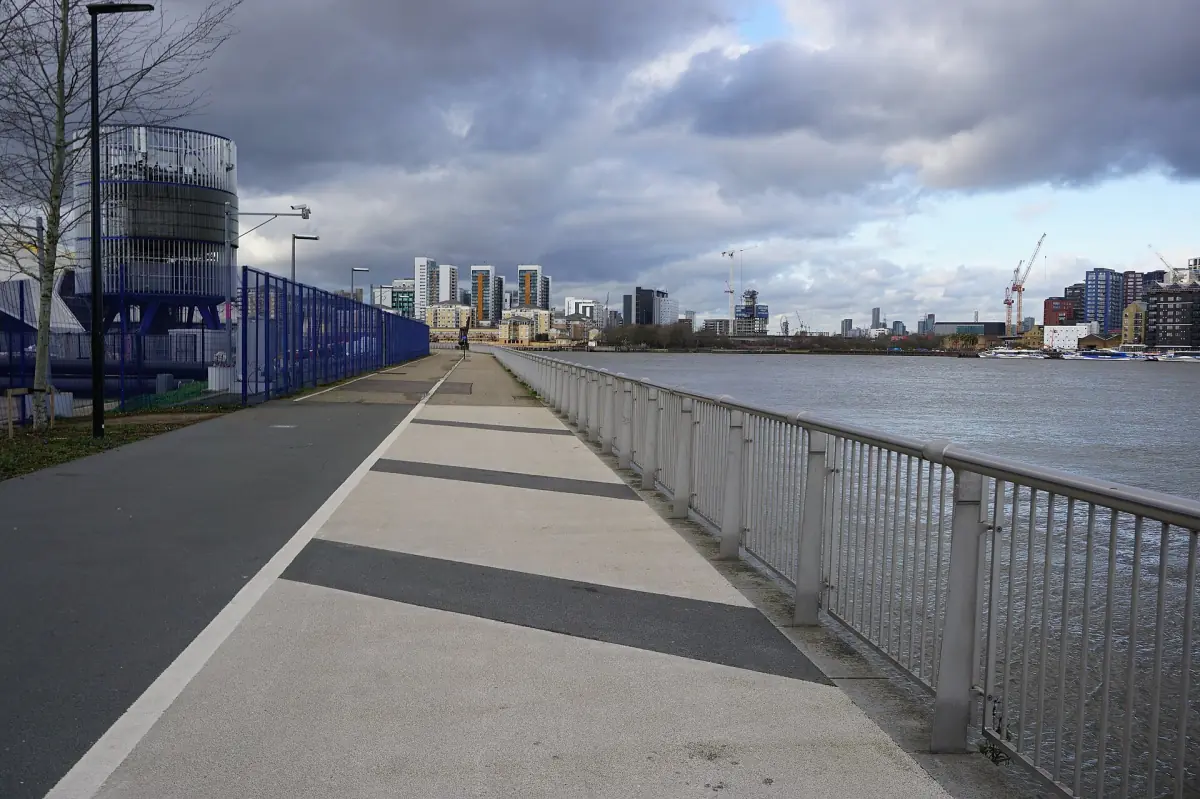
Painted Hall visitor entry
- Visitor Centre entry
- Painted Hall audio guide
The visit includes a multilingual audio guide for the Painted Hall.
Check availability →River Thames History
Compare river experiences and check the details for your date.
Greenwich, architecture and flood protection
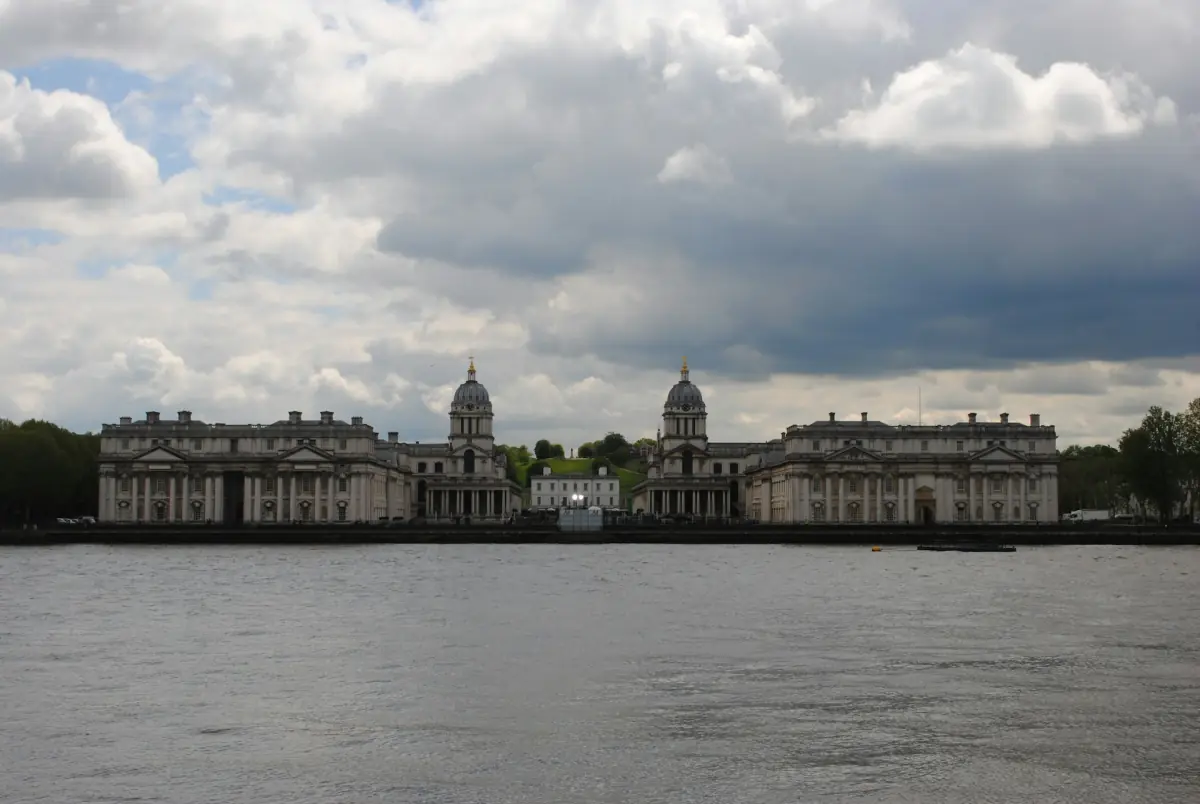
The Greenwich waterfront brings historic buildings and museum visits together. The Painted Hall is a paid visit, while general museum galleries and other attractions have different admission arrangements. The Thames Barrier is part of the river’s flood protection. A sightseeing sailing or a trip to the illuminated river can provide views and commentary, but neither should be confused with a specialist architecture tour. Check the admission and access arrangements for each place you want to enter.
Plan the day around the water
Start with the place you want to see and work backwards from its opening or departure time. A pier is a meeting point as well as a transport stop, and operators can use different names for nearby piers. The name on your own confirmation is the useful one. Check the directions and allow time to reach the boarding point. If your plans involve more than one sailing, look at the last departure that fits your route before you set out.
Think about how much time you want ashore. A quick view from the river and a visit inside a building are different experiences. Museum and attraction admission is separate unless the particular option says otherwise. If you want a flexible day, compare the ticket’s validity and participating stops with the timetable. Validity tells you when a ticket may be used; it does not describe the duration of a single sailing.
Tickets and practical choices
Before paying, read the route, starting point, direction and inclusions for the option you have selected. A single journey, a return and a pass give you different ways to travel. A meal, drink or attraction entry belongs to a booking only when listed for that option. Check the conditions for your own party as well, including any requirements for children and accessibility at the places you intend to use.
Bring a layer for time outside and consider where you will go after the trip. On a busy itinerary, leaving a little space between activities makes it easier to enjoy the river without rushing from one meeting point to the next. The published schedule for your date is more useful than assuming every service follows the same pattern. Check for changes before setting off, especially when your onward plans depend on a particular sailing.
Explore Tours, River cruises, Greenwich, When to visit, Getting there.
Tower Bridge
The bridge is a landmark when planning a river route.
Big Ben & Houses of Parliament
The Westminster waterfront is another useful point of orientation.
Making the most of your time
Keep the journey and the visit at your destination in mind as separate parts of the day. A boat can be the main experience, a way to travel between places, or one part of a longer itinerary. Choose a direction that leaves you where you want to be afterwards. If you plan a return by water, check that the return sailing fits the time you want to spend on shore.
Compare the details for the people travelling with you, including the meeting point, access and the facilities you need. A flexible ticket helps when you want to stop along a route, but it still depends on the published service. A fixed departure is easier to fit around another reservation. For any meal or special option, read what is actually included before choosing.
Frequently asked questions
How should I choose a ticket?
Compare the route, validity and inclusions of the option that fits your day.
Should I check the departure point?
Yes. Use the meeting point on your booking and allow time to reach it.
Are attraction tickets included?
Check the selected option and arrange any separate admission you need.